Quick answer: UKG’s ‘human-centered automation’ means its AI supports managers rather than replacing judgment, automating scheduling, timekeeping, and insights while people keep the decisions.
The AI Anxiety No One Talks About
Every CHRO knows the tension: you need AI and automation to stay competitive, but you're terrified of what happens when algorithms start making decisions about people.
The fear is earned. Scheduling systems that ignore employee circumstances. Performance algorithms that feel like surveillance. "Smart" tools that strip managers of judgment and create resentment instead of efficiency.
UKG built their AI strategy around a different question: what if automation made human judgment better instead of replacing it? Their approach, which they call human-centered automation, puts intelligence in managers' hands without removing their authority. The system surfaces patterns, highlights risks, and recommends options. Humans make the final call.
For organizations using UKG or evaluating their platforms, this distinction determines whether your workforce actually adopts the technology or finds ways to work around it.
What Human-Centered Automation Actually Means
Most workforce management AI falls into one of two categories: fully automated decision-making or purely advisory insights that get ignored. UKG's approach lives in a more useful middle ground.
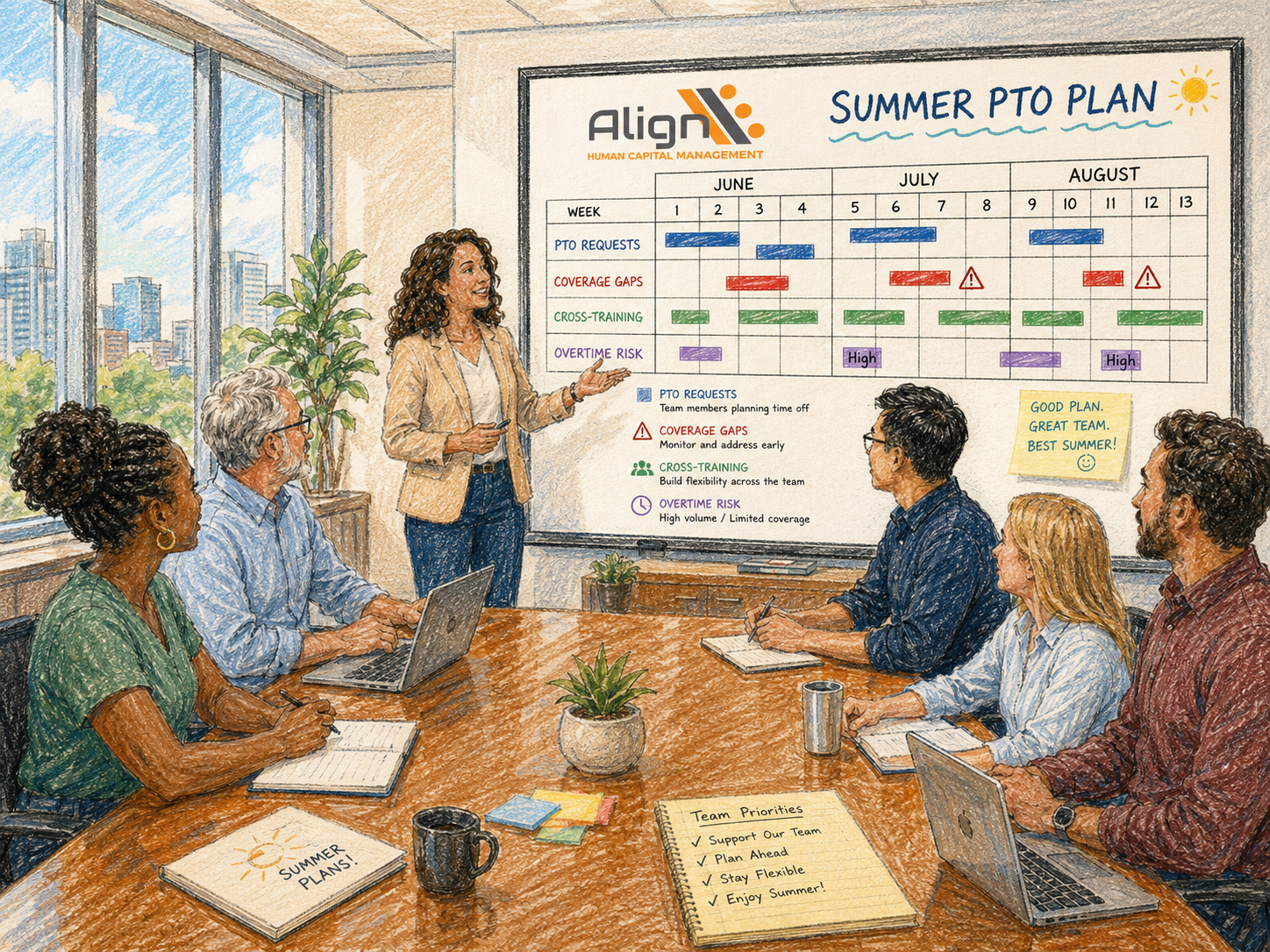
Their AI capabilities are designed to surface patterns, highlight risks, and recommend options while keeping the final decision in human hands. A scheduling algorithm might flag potential overtime issues or suggest coverage gaps, but it doesn't auto-generate schedules without manager review. Talent intelligence tools might identify flight risk indicators, but they don't automatically trigger retention interventions.
This matters because workforce decisions are rarely pure math problems. They involve context that algorithms can't fully capture: an employee going through a difficult personal situation, a manager's knowledge of team dynamics, or organizational priorities that shift faster than models can retrain.
UKG's AI features are built to make that human judgment better informed, not to eliminate it. The technology handles pattern recognition across thousands of data points. The human handles nuance, relationship context, and final accountability.
Where UKG's AI Actually Lives
Understanding where UKG deploys AI helps clarify their philosophy. The technology shows up most prominently in three areas: scheduling optimization, talent intelligence, and workforce forecasting.
In scheduling, UKG Pro uses AI to analyze historical patterns, labor demands, and employee preferences to suggest optimal schedules. But managers maintain full control over final assignments. The system might recommend shift coverage based on skills and availability, but it won't override manager knowledge about who works well together or who needs accommodation right now.
In talent management, UKG Pro's AI surfaces insights about employee engagement trends, performance patterns, and potential retention risks. These aren't automated alerts that trigger workflow actions. They're decision-support tools that help HR leaders ask better questions and have more informed conversations.
In workforce forecasting, AI helps predict labor needs based on historical data, seasonal patterns, and business trends. Organizations get better visibility into future staffing requirements without losing the ability to adjust based on strategic priorities or market changes the algorithm hasn't seen before.
The common thread: AI provides intelligence, humans provide judgment.
Why Transparency in AI Builds Trust
One of UKG's more important design choices involves showing users how AI-driven recommendations get generated. When the system suggests a schedule adjustment or flags a retention risk, it doesn't just present a black-box conclusion. It shows the factors that influenced the recommendation.
This transparency serves two purposes. First, it helps managers and HR leaders evaluate whether the AI's logic makes sense for their specific context. Second, it builds trust over time. People are more likely to use AI-driven tools when they understand the reasoning behind suggestions and can override them when needed.
The alternative approach, where AI operates as an invisible authority that must be trusted blindly, tends to create resistance. Managers start working around the system. Employees feel surveilled rather than supported. The technology becomes a source of friction instead of efficiency.
UKG's approach acknowledges that AI in workforce management isn't like AI in fraud detection or supply chain optimization. When algorithms impact how people get scheduled, evaluated, or managed, the human element can't be abstracted away.
The Manager Experience Matters More Than the Algorithm
The success of AI in workforce management ultimately depends on whether frontline managers actually use it. And managers will only use tools that make their jobs easier without removing their authority or creating new compliance risks.
UKG's AI features are designed with this reality in mind. The technology surfaces insights that would take hours to compile manually: which employees are approaching overtime, which shifts have coverage gaps, which team members show signs of disengagement. But it doesn't mandate actions or remove manager discretion.
This matters because managers deal with variables that algorithms can't see. They know which employees are reliable in crisis situations. They understand team dynamics that don't show up in performance data. They're accountable for outcomes in ways that AI systems aren't.
By keeping managers in control while giving them better information, UKG's approach increases the likelihood that AI actually gets used. The technology becomes a tool that enhances manager effectiveness rather than a system that replaces manager judgment.
Why This Approach Works for Employee Experience
The way AI gets deployed in workforce management directly impacts how employees experience their workplace. Scheduling algorithms that ignore personal circumstances create resentment. Performance monitoring that feels invasive damages trust. Automation that removes human touchpoints makes work feel impersonal.
UKG's human-centered approach helps organizations avoid these pitfalls. SinceAI recommendations still flow through managers rather than executing automatically, employees maintain relationship-based interactions around critical workplace decisions. Schedule requests get considered by someone who understands their situation. Performance conversations happen with actual humans who can provide context and support.
This doesn't mean AI isn't powerful or impactful. It means the power gets channeled through human relationships rather than replacing them. For organizations concerned about employee experience during digital transformation, this distinction matters enormously.
What Separates Successful AI Adoption from Resistance
Organizations that get value from UKG's AI capabilities share three characteristics:
They train managers to interpret, not just accept. AI recommendations get better when managers understand the logic behind them and can override suggestions that don't match operational reality. The system might flag overtime risk based on historical patterns, but the manager knows this week is different because of a product launch.
They communicate how AI is being used, not just that it exists. Employees trust automation more when they understand what data feeds it and how decisions still flow through humans. Transparency about AI's role prevents the surveillance anxiety that kills adoption.
They view AI as decision support, not decision automation. The technology handles pattern recognition across thousands of data points. Humans handle context the algorithm can't see: team dynamics, individual circumstances, strategic priorities that shift faster than models retrain.
Why UKG's Approach Exists
Most workforce management AI tries to optimize for pure efficiency: minimize labor costs, maximize coverage, reduce variance. That math works in supply chain management. It fails in workforce management because people aren't interchangeable widgets.
UKG's AI is built around a different premise: managers need better information to make better decisions, but they shouldn't lose the ability to apply judgment. Scheduling algorithms might suggest optimal shift assignments based on skills, availability, and labor costs. But they won't auto-publish schedules without manager review, because managers know things the algorithm doesn't.
Talent intelligence tools might identify flight risk indicators based on engagement patterns and performance trends. But they won't automatically trigger retention bonuses or create performance improvement plans, because those decisions require conversation and context.
This approach acknowledges that workforce decisions involve variables algorithms can't quantify: someone going through a difficult personal situation, organizational priorities that changed yesterday, cultural dynamics that don't show up in performance data.
What makes UKG's approach different from traditional HCM vendors is the decision to keep AI transparent. When the system recommends a schedule change or flags a retention risk, it shows the factors that influenced the recommendation. Managers can evaluate whether the logic makes sense for their specific context. This builds trust over time rather than creating black-box dependence.
The Long-Term Advantage of Augmentation Over Replacement
Organizations implementing workforce management technology today are making architectural decisions that will impact operations for years. Choosing platforms that prioritize human-AI collaboration over full automation creates more sustainable outcomes.
Systems that remove human judgment entirely tend to accumulate workarounds over time. Managers find ways to game the algorithm. Employees learn how to manipulate inputs. The organization ends up with complex technology that doesn't actually reflect how work gets done.
UKG's approach, which keeps humans in the decision-making loop while providing better intelligence, tends to age better. As business needs change, as workforce dynamics shift, as new operational realities emerge, organizations maintain the flexibility to adapt. The AI provides better information, but humans retain the ability to adjust strategy based on factors the algorithm can't predict.
This flexibility becomes valuable as organizations face rapid change: shifting labor markets, evolving employee expectations, new regulatory requirements, and business model pivots that happen faster than technology can keep pace.
What This Means for Your Organization
If you're evaluating UKG or already using their platforms, understanding their AI philosophy helps you make better decisions about feature adoption and change management.
Not every AI capability needs to be activated immediately. Not every automated recommendation needs to be followed. The technology works best when deployed thoughtfully, with clear communication about how it enhances rather than replaces human judgment.
For CHROs and HR leaders, this means you can pursue efficiency gains without sacrificing the human elements that make workforce management work. You can leverage predictive insights without creating a culture of surveillance. You can automate pattern recognition without removing manager authority.
For IT leaders, it means you're implementing technology that's more likely to be adopted and sustained over time. When AI augments rather than replaces human work, you get less resistance, fewer workarounds, and better long-term ROI.
The organizations that get the most value from UKG's AI capabilities are the ones that view the technology as decision support rather than decision automation. They train managers to interpret AI recommendations critically. They communicate transparently with employees about how automation is being used. They maintain human accountability for workforce decisions even when algorithms provide the intelligence behind them.
The Path Forward
AI in workforce management isn't going away. The volume of data, the complexity of scheduling across multiple locations, and the need for predictive insights all require automation that human analysis alone can't provide.
But the question isn't whether to use AI. It's how to use it in ways that enhance rather than damage organizational culture, manager effectiveness, and employee experience.
UKG's human-centered approach offers a model worth considering. By building AI that augments human judgment rather than replacing it, they've created technology that organizations can actually adopt without alienating the people who make the work happen. Getting real value from HCM AI? Talk to an Align HCM expert about configuring UKG’s AI around your workflows.
That's not just good technology design. It's good business strategy.
Frequently asked questions
What is human-centered AI in an HCM platform?
It’s AI that surfaces recommendations and handles routine work while a human makes the call on hiring, pay, and exceptions. It matters because HR AI usually fails on adoption, not capability, see Why CHROs Buy AI Tools They Never Use; Gartner makes the same point.
How is UKG’s AI different from other platforms?
UKG embeds AI into the flows managers already use instead of bolting on a separate tool, which lowers the adoption barrier. Compare it with how Dayforce built its platform around AI.
How do we get value from HCM AI features?
Through integration and clean data, not datasheet features, AI on disconnected data just makes noise, a point SHRM echoes in its guidance on HR AI adoption. See AI Integration With HCM Systems.
.png?width=720&height=420&name=Generated%20image%201%20(39).png)