The Difference Between a Good Paylocity Implementation and a Great One
Most Paylocity implementations go live successfully. The platform delivers on its promise of modern, unified HR and payroll infrastructure, the interface is intuitive, and vendor support is strong. But there's a meaningful difference between organizations that simply go live and organizations that achieve rapid adoption, minimal disruption, and measurable ROI within 90 days.
Across hundreds of HCM implementations, we've identified consistent patterns that separate the two. The difference isn't about the technology, Paylocity's capabilities speak for themselves, from AI-powered assistants to integrated finance and HR workflows. The difference is in how organizations approach the strategic side of the transition: how they prepare teams, structure workflows, and plan for sustained value beyond go-live.
That's exactly why Align HCM partners with Paylocity to help organizations capture the full value of their investment by bringing implementation expertise that complements Paylocity's platform capabilities. When the technology is strong and the implementation approach is strategic, the results speak for themselves.
What We See in Successful Paylocity Implementations
The organizations that achieve the smoothest, fastest, most successful Paylocity rollouts share several common practices:
They treat configuration as a strategic decision, not a technical task
These teams don't just migrate their existing processes into Paylocity they use the implementation as an opportunity to streamline workflows, eliminate redundancies, and build processes that scale. They ask, "What should our workflows look like at 1,000 employees?" rather than "How do we replicate what we do today?" They leverage Paylocity's unified platform to break down silos between HR, Finance, and IT instead of recreating departmental barriers in a new system.
They involve end-users early and intentionally
Successful implementations don't wait until the week before go-live to introduce Paylocity to employees. They bring managers, supervisors, HR business partners, and even payroll teams into the conversation during configuration, gathering input on how roles actually work and what functionality will genuinely support daily tasks. When users see their feedback reflected in the system design, adoption happens naturally.
They plan for adoption, not just deployment
Getting Paylocity live is one milestone. Getting 85%+ active usage in the first 30 days is another. The organizations that hit high adoption rates build training plans that go beyond "here's where to click." They create role-based resources, communicate early and often about what's changing and why, and ensure employees understand how Paylocity makes their work easier not just different.
They leverage Paylocity's modern employee experience capabilities
The most successful implementations take full advantage of Paylocity's consumer-grade mobile app, AI Assistant, and Community platform. They don't just enable these features, they actively promote them as part of the employee value proposition. When employees can clock in, check their schedule, submit PTO, and get instant answers to policy questions all from their phone, adoption accelerates dramatically.
They anticipate the post-go-live adjustment period
Even the smoothest go-lives require a stabilization phase. Successful teams budget for post-launch support, monitor system usage closely, and address friction points quickly before they become ingrained habits. They understand that the first 30-60 days are when configurations get stress-tested by real-world usage and they're ready to refine based on what they learn.
Why This Approach Matters Right Now
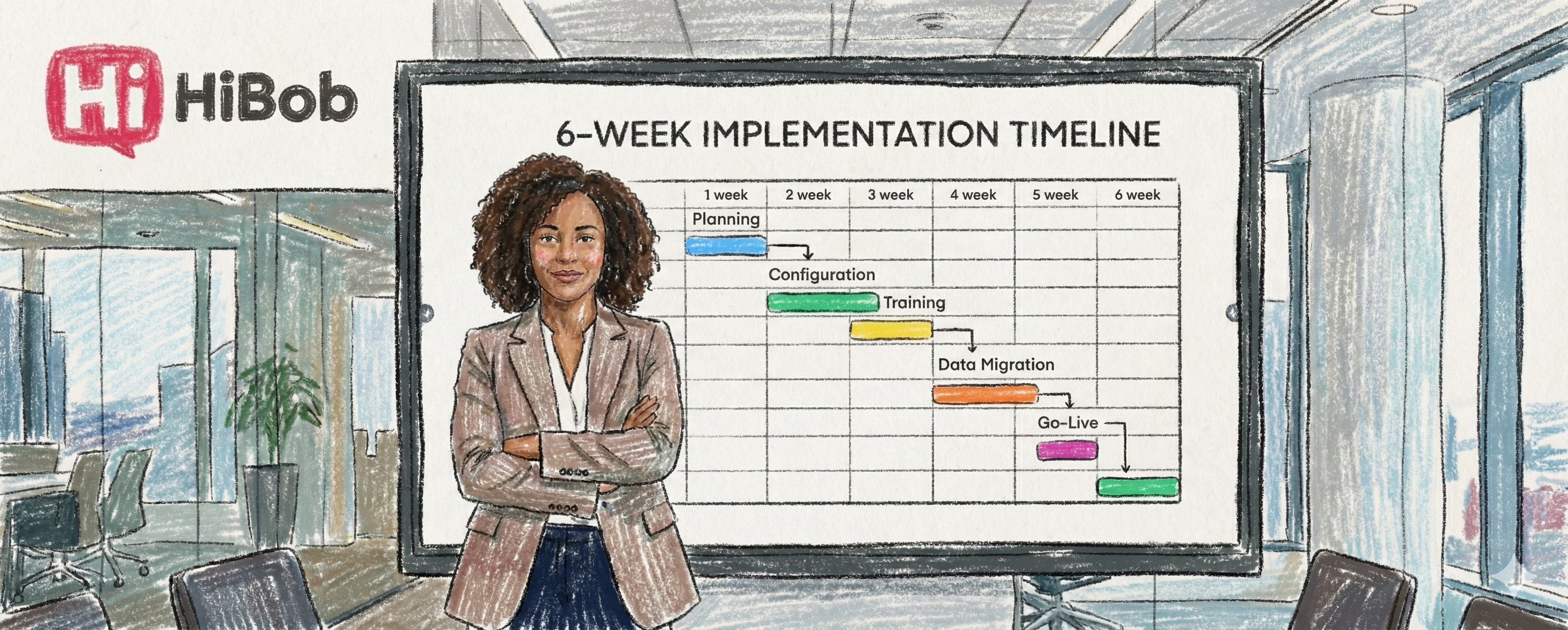
Paylocity implementations typically move quickly, often completing core payroll and HR modules within 8-12 weeks. That speed is one of Paylocity's core strengths, particularly for mid-market organizations that can't afford six-month enterprise rollouts. But speed also means there's less room for error. A rushed configuration or an under-prepared team can create ripple effects that take months to resolve.
When organizations get the implementation right, the benefits compound quickly:
- HR teams regain capacity because automation, self-service, and AI assistance reduce manual workloads
- Data accuracy improves because workflows are built to prevent errors at the source
- Managers gain confidence because they have real-time visibility into their teams through mobile and desktop access
- Employees adopt faster because the system makes sense for how they actually work
- Executive reporting becomes reliable because data flows consistently across the unified platform
- Cross-functional collaboration improves when HR, Finance, and IT work from a single source of truth
- New hires onboard faster because processes are standardized and accessible from day one
The ROI of a well-executed implementation isn't just faster time-to-value—it's sustained value over years, not months.
Five Success Indicators for Your Paylocity Implementation
Based on patterns we see across successful rollouts, here are five questions every HR leader should ask during the planning phase:
1. Have we mapped workflows to roles, not just to features?
Successful implementations start with understanding who does what, when, and why—then building Paylocity configurations that support those real-world workflows. If your implementation plan focuses more on feature enablement than role-based functionality, it's worth revisiting. Ask yourself: "Can a manager approve PTO without calling HR? Can an employee find their pay stub in under 30 seconds? Can payroll validate data accuracy before processing?"
2. Do we have a clear post-go-live support plan?
The first 30-60 days after launch are critical. Organizations that succeed have dedicated resources in place to handle questions, monitor adoption metrics, and refine configurations based on real usage patterns. This isn't about fixing things that broke—it's about optimizing things that work but could work better.
3. Are we training for proficiency, not just awareness?
Awareness training teaches employees that a new system exists. Proficiency training ensures they know how to complete their specific tasks confidently and correctly. The difference shows up immediately in adoption rates and support ticket volume. When training is tailored to roles, managers get manager training, employees get employee training, payroll gets payroll training, everyone succeeds faster.
4. Have we aligned payroll, benefits, and time & labor integration timelines?
Paylocity's unified platform means modules can work together from day one, but integration timelines for external systems (benefits carriers, 401k providers, time clocks) vary. Successful teams coordinate these dependencies early to avoid last-minute delays or manual workarounds that undermine the value of automation.
5. Do we have executive buy-in for realistic timelines and resource allocation?
Paylocity's implementation window is achievable, but only if internal stakeholders commit to decision-making timelines, testing schedules, and resource allocation. When leadership understands what "fast" actually requires—dedicated internal project management, timely data preparation, active participation in testing—implementations stay on track and deliver results.
How Align HCM Supports Paylocity Implementations
Align HCM partners with Paylocity to help organizations execute implementations that deliver measurable results from day one. Our approach is built around three principles:
Workflow-first configuration
We don't just set up Paylocity's features, we design configurations around how your teams actually work. That means understanding your approval structures, your manager expectations, your reporting needs, and your compliance requirements before we build anything in the system. We also help you identify opportunities to simplify processes rather than automating complexity. The goal isn't just to replicate what you do today, it's to build workflows that will scale as you grow.
Role-based readiness and adoption planning
Different users need different levels of support. Align ensures that managers, HR admins, payroll teams, and employees receive training tailored to their specific responsibilities. This isn't one-size-fits-all onboarding—it's targeted preparation that drives adoption from day one. We also help you leverage Paylocity's modern capabilities—like the AI Assistant, mobile app, and Community platform, to create an employee experience that feels consumer-grade, not corporate.
Post-go-live stabilization and optimization
Going live is the beginning, not the end. Align provides dedicated support during the critical first 30-60 days to monitor system performance, address user questions, and refine configurations based on real-world usage. We track adoption metrics, identify friction points, and make strategic adjustments that prevent small issues from becoming big problems. This stabilization phase is what separates smooth rollouts from chaotic ones.
What makes Align's approach different from traditional implementation partners is our focus on the people side of the transition. Paylocity provides the platform capabilities, unified HR and payroll, AI-powered efficiency, mobile-first experiences. Align ensures your teams are ready to use them effectively and that your configurations are designed to deliver sustained value.
The Value of Getting This Right
When Paylocity implementations are executed strategically, the results are tangible and immediate:
- Employees trust the system because it makes their work easier, not harder
- HR stops firefighting tickets and starts focusing on strategic priorities
- Managers have visibility and tools they didn't have before—accessible from anywhere
- Payroll runs cleanly because data flows accurately from day one
- Reporting becomes consistent and reliable across HR, Finance, and Operations
- New hires onboard faster because processes are standardized and accessible
- Cross-functional collaboration improves when departments work from shared data
- ROI accelerates because adoption happens quickly and value compounds over time
The difference between a good implementation and a great one isn't luck, it's preparation, expertise, and follow-through. Organizations that invest in strategic implementation see returns that extend far beyond the first 90 days.
Ready to Plan Your Paylocity Implementation?
Curious whether your implementation plan sets your team up for rapid adoption and long-term success? Let's walk through your timeline, configuration strategy, and readiness plan together.
Request a Paylocity Readiness Assessment